
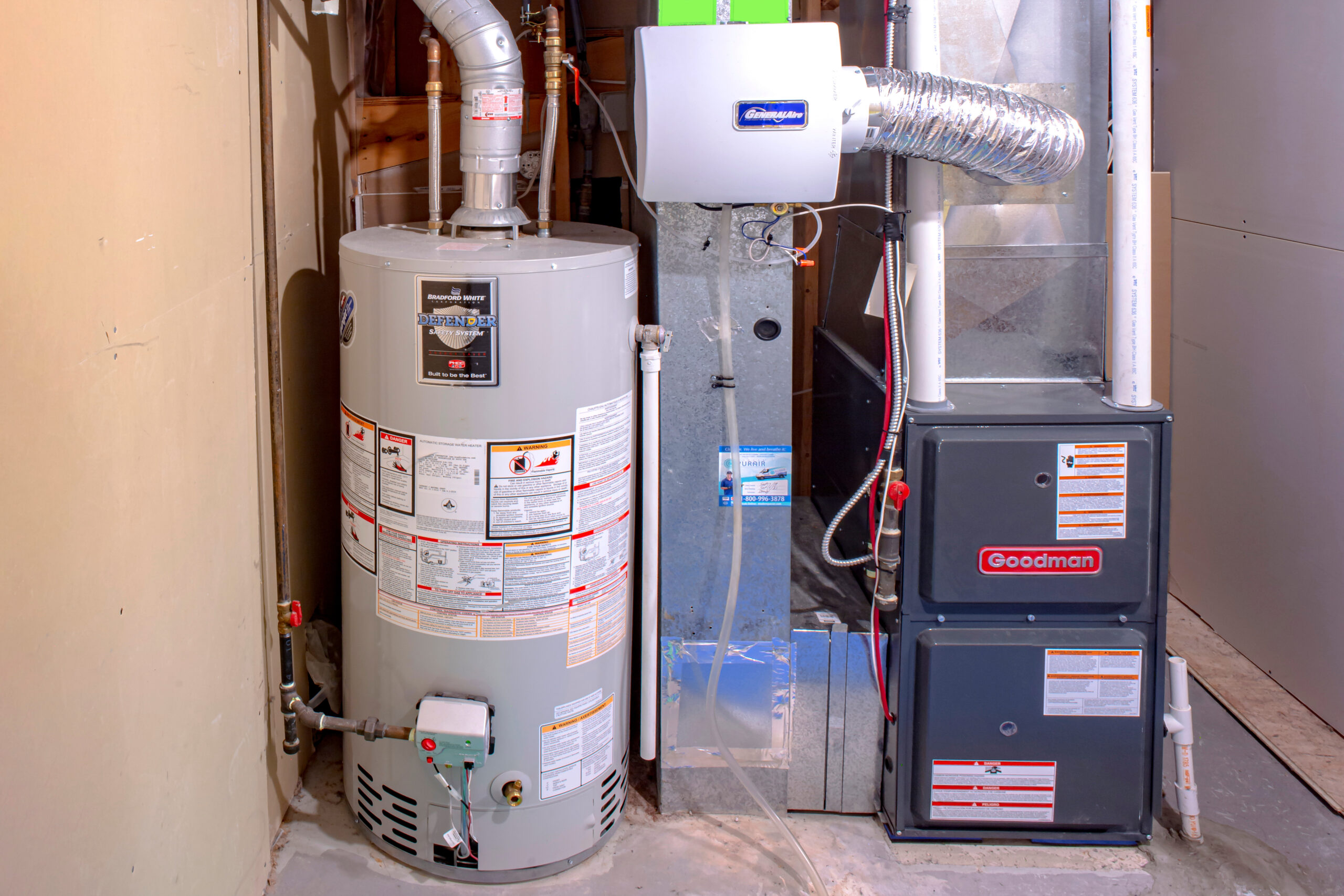
A fully functioning water heater is a necessity for any modern home. It supports daily activities such as bathing, cleaning, cooking and laundry — tasks most people take for granted until there is a problem. When your water heater starts to fail it can disrupt your routine, increase your utility bills and even lead to costly property damage.
At Power Plumbing Services we help homeowners make informed decisions about their plumbing systems. This comprehensive guide outlines the warning signs of water heater issues and provides advice on how to respond whether through repair or replacement.
Inconsistent or Fluctuating Water Temperature
If your hot water suddenly turns cold or fluctuates between hot and lukewarm during use this is often the first red flag. These inconsistencies can indicate a failing heating element, a broken thermostat or even sediment buildup in the tank that interferes with heat transfer.
What causes this?
- In electric units it may be due to a malfunctioning upper or lower heating element.
- In gas water heaters the burner assembly may be clogged or the pilot light may be unstable.
- Sediment in the tank can insulate water from the heating source reducing overall efficiency.
When to Act:
If temperature fluctuations become a regular issue despite adjusting the thermostat it is time to call a professional. In some cases a repair may resolve the problem but persistent inconsistencies in an older unit may indicate the need for replacement.
Hot Water Supply Running Out Quickly
Is your household running out of hot water faster than it used to? This is another common sign of trouble especially in homes with growing demand or older water heaters that have lost efficiency over time.
Likely causes include:
- Sediment accumulation in the tank reduces water volume.
- A broken dip tube which causes cold and hot water to mix prematurely.
- A failing heating element not keeping water at the desired temperature.
This problem is especially frustrating in multi-person households where back-to-back showers or laundry and dishwashing cycles are common. If your water heater once met your needs and now cannot you may need a larger or newer unit.
Discolored or Rust-Tinted Hot Water
Water discoloration, especially a rusty or brown tint in your hot water may be a sign of internal corrosion in your tank. This is particularly common in older models and can signal that the anode rod, a critical component that helps prevent tank corrosion, has deteriorated.
Other potential causes:
- Rusting inside the tank lining.
- Corrosion in galvanized plumbing pipes.
- Bacteria buildup in the tank (especially if the water has a rotten egg smell).
If only the hot water is discolored the problem most likely lies within the water heater rather than the plumbing system. A qualified plumber can inspect and determine whether the issue can be resolved by replacing the anode rod or if the tank has been compromised and needs to be replaced.
Strange Noises Coming from the Water Heater
Water heaters generally operate quietly so if you begin to hear popping banging rumbling or crackling sounds this is often a symptom of sediment hardening at the bottom of the tank. These sounds occur as the heating element struggles to warm water through the barrier of buildup.
Consequences of ignoring these noises:
- Decreased energy efficiency.
- Increased wear on the tank and heating components.
- Risk of overheating and pressure buildup which can become dangerous.
Possible solutions include:
- Flushing the tank to remove sediment.
- Replacing the heating element.
- Evaluating the tank for damage if noises persist after maintenance.
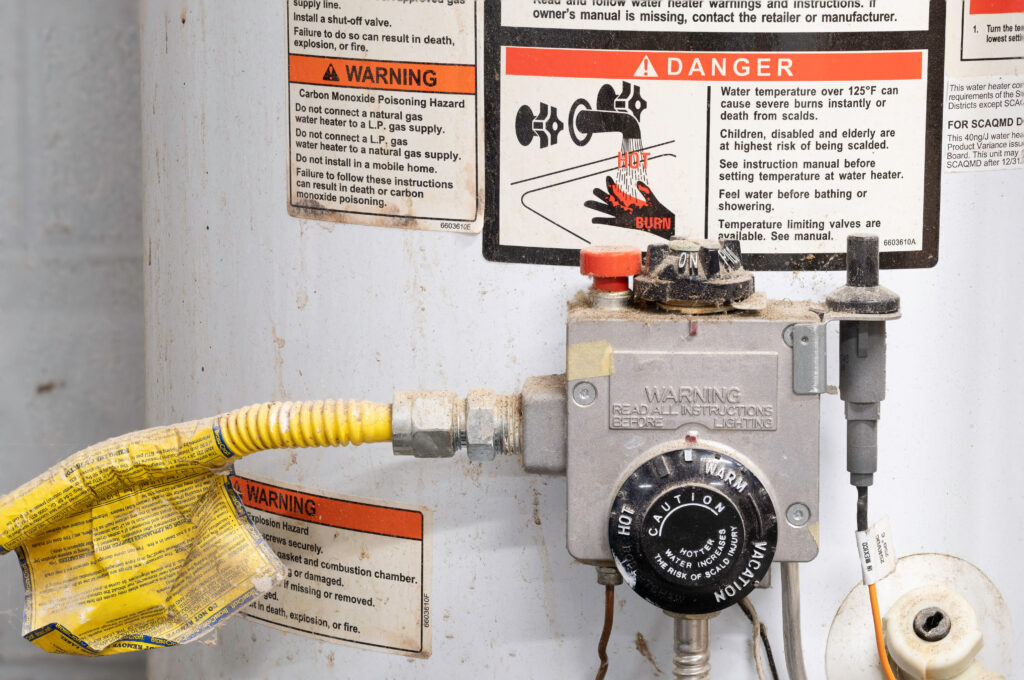
Leaks or Moisture Around the Base of the Unit
Any sign of water pooling around the base of your water heater is a concern that should be addressed immediately. Even a small amount of moisture may indicate a developing leak.
Common sources of water leaks:
- Corroded or cracked tank.
- Faulty temperature and pressure relief valve.
- Loose drain valve or pipe connections.
While some minor leaks can be repaired with new fittings or valve replacements a leaking tank usually requires a full replacement. Continued operation of a leaking water heater not only wastes energy and water but also risks serious water damage to your home.
Increasing Energy Bills Without Increased Usage
Have your utility bills gone up despite using the same amount of hot water? As water heaters age and components become less efficient they need to work harder and longer to produce the same results. Sediment buildup overheating and poor insulation all contribute to increased energy consumption.
This issue is especially common in:
- Units more than 10 years old.
- Heaters located in uninsulated areas such as garages or basements.
- Models that have never been flushed or maintained.
Switching to a new high-efficiency water heater can significantly lower energy usage and qualify for rebates or energy tax credits in some regions.
Frequent Repairs or Maintenance Calls
All water heaters require occasional maintenance but if you are calling a plumber every few months for repairs your unit may be beyond its prime.
Warning signs include:
- Replacing multiple components within a short period.
- Inability to resolve recurring issues.
- Increasing repair costs nearing the price of a replacement.
Rather than continuing to patch up a failing system, replacing it with a new energy-efficient model often provides better long-term value.
Age of the Water Heater
Age is one of the clearest indicators of a water heater’s remaining lifespan. Most standard tank models last between 8 to 12 years with regular maintenance while tankless models may last 15 to 20 years.
Check the age by:
- Looking at the manufacturer’s label or serial number.
- Contacting the manufacturer with the serial number if the date is unclear.
If your water heater is reaching the end of its lifespan and showing signs of inefficiency or damage it is wise to plan for a replacement before a complete failure occurs.
Low Hot Water Pressure
Poor hot water pressure may be caused by sediment buildup not only in the tank but also in the supply lines connected to the heater. In areas with hard water mineral deposits can restrict water flow and reduce system efficiency.
Solutions may include:
- Descaling the tank and pipes.
- Installing a water softener for long-term protection.
- Replacing corroded galvanized pipes with modern plumbing materials.
Delayed Hot Water Delivery
A significant delay in hot water reaching your faucet can be a symptom of:
- An aging or failing heating element.
- A malfunctioning recirculation pump (if installed).
- Poor pipe insulation causing heat loss in transit.
While some delay is normal in larger homes or properties with long pipe runs noticeable changes in wait times should not be ignored.
Comparing Repair vs. Replacement
When deciding whether to repair or replace your water heater consider the following:
| Factor | Repair | Replacement |
| Age | Under 8 years | Over 10 years |
| Efficiency | Minimal drop | Significant drop |
| Repair Costs | Less than 50% of a new unit | More than 50% of a new unit |
| Frequency of Issues | One-time problem | Multiple recurring problems |
| Warranty Status | Still covered | Expired or voided |
A professional plumber can perform a diagnostic assessment and help you evaluate the most cost-effective and reliable solution based on your unique situation.
Water Heater Maintenance Tips
Regular maintenance can extend the life of your water heater and reduce the chances of unexpected breakdowns. Power Plumbing Services recommends the following annual tasks:
- Flush the tank to remove sediment and improve efficiency.
- Inspect and replace the anode rod if necessary.
- Check the temperature setting (120°F is typically recommended).
- Test the pressure relief valve for proper function.
- Insulate exposed pipes and the heater if located in a cold area.
- Install a water softener if you live in an area with hard water.
Ask your plumber about setting up a maintenance schedule to stay ahead of potential issues
Explore Modern Water Heater Options
If replacement is the right move explore newer models that can offer better performance and energy efficiency:
- Tankless Water Heaters – Provide hot water on demand, use less energy and last longer than tank-style units.
- High-Efficiency Storage Tanks – Use better insulation and improved burner or heating element designs.
- Smart Water Heaters – Offer remote monitoring energy usage tracking and leak alerts.
Each option has benefits depending on your household size, hot water usage and energy goals.
Take Action Now to Protect Your Home with Reliable Hot Water
Delaying water heater repairs or replacement can lead to water damage, increased utility bills and uncomfortable disruptions in your home. At Power Plumbing Services we provide honest assessments, expert repairs and high-quality replacements for both traditional and tankless systems.
If you are experiencing temperature issues, water discoloration leaks or suspect your water heater is nearing the end of its service life contact our team today. We will evaluate your current system, explain your options clearly and help you make the best decision for your home and budget.
Let Power Plumbing Services be your trusted partner in ensuring year-round comfort and peace of mind.