
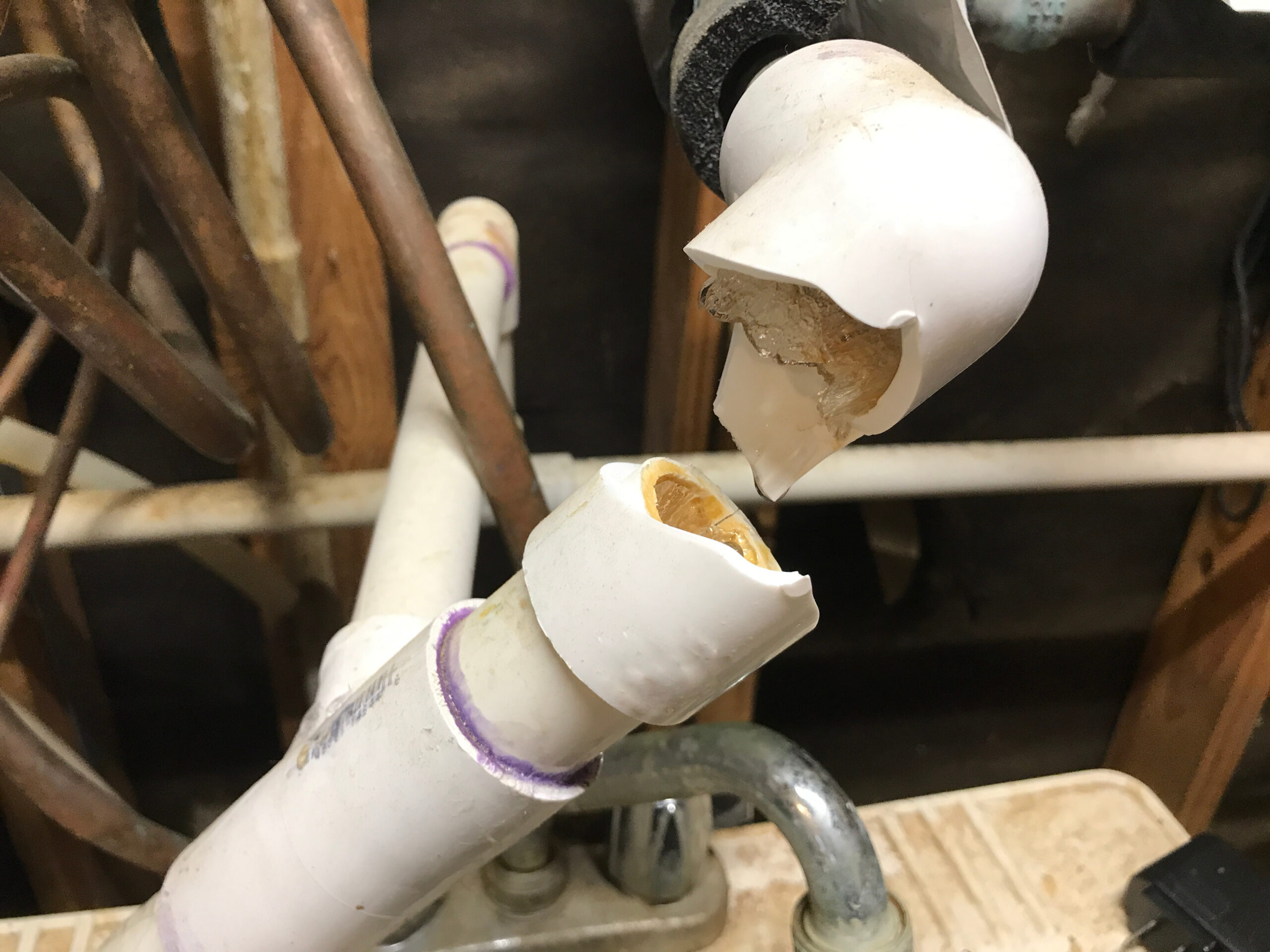
Taking a vacation during the winter months is a great way to escape the cold, but it’s also a time when your home is most vulnerable to one of the season’s most costly hazards frozen pipes. When water inside your plumbing freezes, it expands and places immense pressure on the pipe walls. If left unchecked, this can cause the pipe to rupture and flood your home, leading to thousands of dollars in water damage. Whether you are heading south for a few weeks or simply visiting family for the holidays, protecting your plumbing system should be a top priority before locking the front door.
Understanding the Risks of Frozen Pipes
Frozen pipes are more than an inconvenience. They can lead to significant property damage, insurance claims, and prolonged home repairs. Here are some fast facts about the danger:
- Pipes can begin to freeze when the temperature falls below 20°F (-6°C).
- The most vulnerable pipes are those in unheated areas such as basements, attics, crawl spaces, and garages.
- Interior pipes located along exterior walls are also at high risk.
- Water expands when it freezes, and this expansion causes pressure that can crack or burst the pipe.
If a pipe bursts while you are not home, water can flow unchecked for hours or even days causing damage to walls, ceilings, flooring, furniture, and electrical systems.
Essential Steps to Prevent Frozen Pipes Before Leaving for Vacation
1. Insulate All Exposed Pipes
Insulating exposed pipes is one of the most important and effective ways to protect them from freezing. Focus on the following areas:
- Basements and crawl spaces
- Garages and utility rooms
- Attics
- Under sinks and in cabinets
- Exterior walls with plumbing access
Use foam pipe insulation, fiberglass sleeves, or polyethylene wraps. For high-risk areas, consider electric heat cables or heat tape that actively warm the pipes. Always follow manufacturer safety guidelines when using electrical heating systems.
2. Seal Cracks, Gaps, and Openings
Cold air drafts are a hidden threat to pipes. Even well-insulated pipes can freeze if cold air is allowed to reach them. Inspect your home for air leaks and seal them with caulk, spray foam, or weatherstripping. Pay special attention to:
- Pipe penetrations through walls or floors
- Windows and door frames
- Foundation vents and sill plates
- Electrical and plumbing access points
This not only helps prevent frozen pipes but also improves your home’s energy efficiency.
3. Keep the Thermostat Set and Steady
Never turn your heating system off completely while you are away. Your thermostat should remain at a minimum of 55°F (13°C) to maintain enough ambient heat to prevent freezing, especially in areas where plumbing is hidden inside walls or ceilings.
- Program the thermostat to maintain this temperature 24/7.
- Avoid large temperature setbacks that could allow your home to cool too much during nighttime.
- Consider installing a smart thermostat for remote monitoring and control.
4. Open Interior Doors and Cabinets for Better Air Circulation
Encourage warm air to reach all corners of your home, particularly areas that may be cooler or less ventilated.
- Open all interior doors, especially bathrooms and laundry rooms.
- Keep cabinets open under sinks in the kitchen and bathrooms.
- Move items stored under sinks to prevent blocking airflow.
Even a few degrees of increased warmth can make a critical difference in preventing frozen pipes.
5. Turn Off the Main Water Supply (If Possible)
For extended trips, consider shutting off the main water valve to your home. This step alone can prevent significant water damage if a pipe were to freeze and burst while you’re gone.
After shutting off the main valve:
- Open all faucets and drain the water from the plumbing system.
- Flush all toilets to empty tanks.
- Pour a small amount of non-toxic RV antifreeze into drains, toilets, and floor traps to prevent remaining water from freezing.
This method is commonly used in professional winterization services and can significantly reduce your risk.
Additional Tips for Long-Term Protection
6. Install Leak Detectors and Smart Water Sensors
Smart leak detection systems can monitor your home’s plumbing while you are away and notify you immediately of any unusual activity.
Some smart systems include:
- Moisture sensors placed near plumbing fixtures
- Flow monitors that detect abnormal water usage
- Automatic shut-off valves that activate when a leak is detected
These systems can be connected to your smartphone and provide real-time updates. Many insurance companies offer discounts for homes equipped with leak detection technology.
7. Winterize Outdoor Plumbing Fixtures
Outdoor faucets and irrigation systems are particularly prone to freezing. Be sure to:
- Disconnect and drain garden hoses.
- Shut off the water supply to outdoor spigots from the inside.
- Open the spigots to allow any remaining water to drain out.
- Install insulated covers over hose bibs.
For in-ground irrigation systems, a full blowout by a licensed professional may be required to prevent water left in the lines from freezing and expanding.
8. Check the Water Heater Settings
Set your water heater to vacation mode or turn the thermostat to a lower setting to conserve energy while still keeping water warm enough to prevent freezing in connected lines.
Avoid turning off your water heater unless you are draining the entire system. Doing so can expose pipes connected to the heater to colder water and higher freeze risk.
What to Do If a Pipe Freezes While You’re Away
Even with the best preparations, extreme weather or unexpected mechanical failures can lead to a frozen pipe. Here are the signs and steps to take:
Signs of a Frozen Pipe:
- No water flow from faucets
- Unusual noises such as gurgling or banging in the pipes
- Frost on exposed sections of plumbing
- Dampness or water stains on walls or ceilings
If You Discover a Frozen Pipe:
- Turn off the main water supply immediately.
- Open all faucets to reduce pressure and allow thawing.
- Use safe heating methods to thaw the pipe:
- A hair dryer on low heat
- A heating pad wrapped around the pipe
- Warm towels
- Space heaters (never leave them unattended)
- Never use open flames or torches.
If you cannot locate the frozen section or are unable to thaw it safely, call a licensed plumber immediately. Time is critical in minimizing water damage and restoring function.
Professional Winterization Services
If you are unsure about how to properly winterize your plumbing system or if your home has complex pipe layouts, older fixtures, or a history of freezing issues, it is advisable to call a professional.
At Power Plumbing Services, we offer:
- Full home plumbing inspections
- Pipe insulation and rerouting solutions
- Emergency plumbing services
- Leak detection and mitigation installations
Our licensed plumbers will assess your home’s unique layout and climate vulnerabilities to create a custom winterization plan that protects your investment and brings peace of mind while you’re away.
Ready to Travel This Winter? Protect Your Home from Frozen Pipes Before You Go
A winter vacation should be relaxing, not stressful. Taking the time to prepare your home’s plumbing system for freezing weather is an essential part of travel planning for any homeowner living in a cold climate.
Contact Power Plumbing Services today to schedule a winterization consultation or emergency preparedness check. Your home’s safety is our priority before, during, and after the coldest months of the year.