
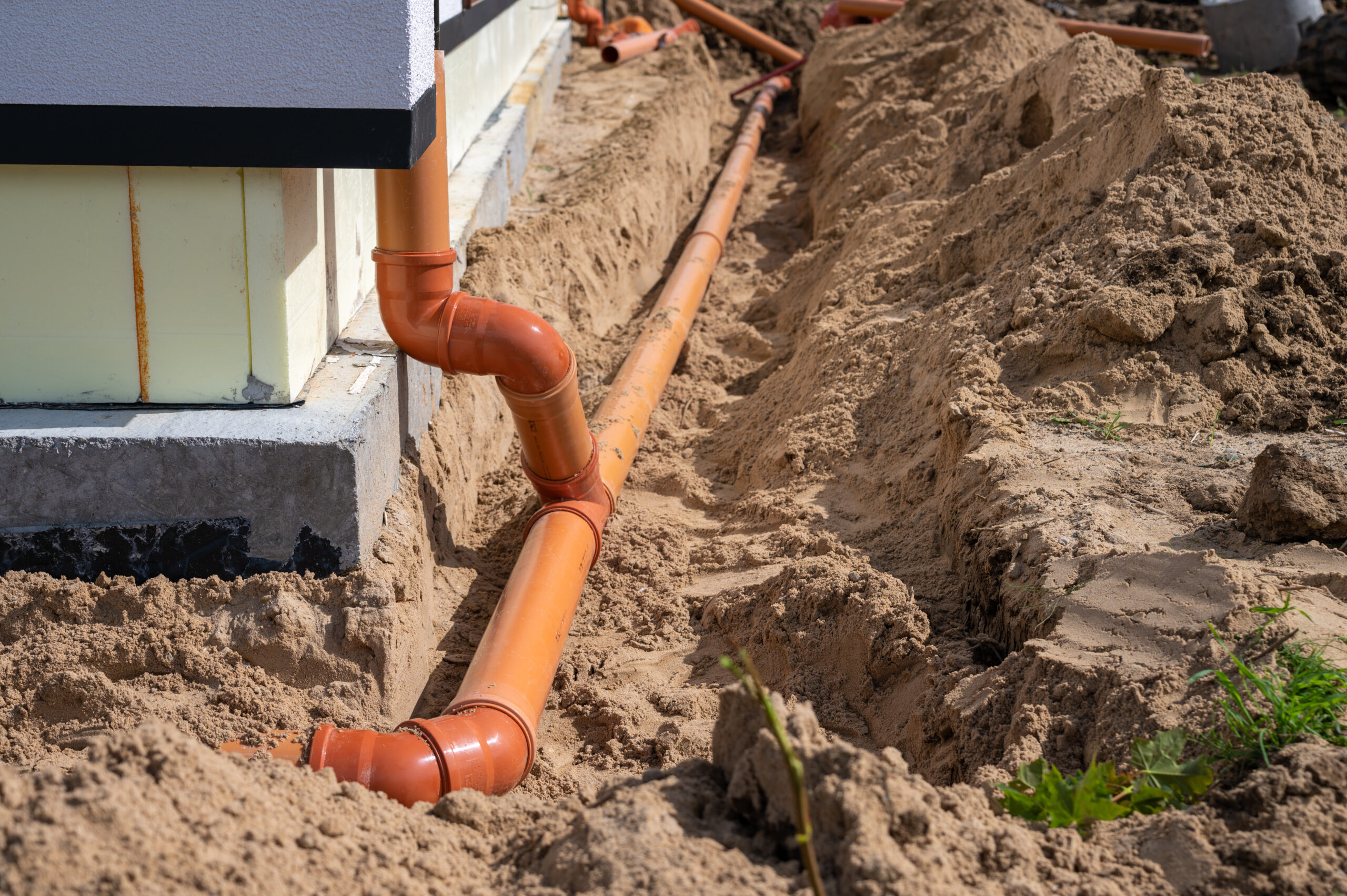
Building drains are critical to the health and functionality of a property’s plumbing system. They quietly manage the waste and water disposal for an entire structure, often without drawing attention until something goes wrong. Ignoring early indicators of drain issues can lead to serious structural damage, unpleasant health hazards, and high repair costs. Understanding the warning signs of building drain trouble and knowing when to involve a professional plumber is essential for both residential and commercial property owners.
Understanding the Role of the Building Drain
A building drain is the lowest piping in a drainage system that collects discharges from all other drains within the structure. It channels wastewater from sinks, toilets, showers, and appliances toward the building sewer, which then carries it to the municipal sewer or septic system.
Due to its hidden location beneath floors or within walls, problems in the building drain often go unnoticed until symptoms appear elsewhere. Early detection and timely intervention are key to avoiding major complications.
Common Signs of Trouble in Building Drains
Slow Draining Fixtures
One of the most frequent and easily observed signs is slow drainage in sinks, bathtubs, showers, or floor drains. When the building drain begins to clog, water struggles to flow freely, causing backups or pooling. If multiple fixtures in different parts of the building are draining slowly at the same time, this points to a larger issue in the main drain rather than isolated fixture problems.
Unpleasant Odors
Foul smells emerging from drains or near plumbing fixtures are another red flag. These odors often result from stagnant water, accumulated waste, or sewer gases backing up due to restricted airflow in the drain system. Persistent smells indicate that waste is not being effectively moved through the pipes.
Gurgling Noises
Strange sounds from the plumbing system, particularly gurgling or bubbling noises from sinks, toilets, or floor drains, often signify a blockage or venting issue in the building drain. These noises occur when air gets trapped in the plumbing system, which can happen when a drain is partially blocked.
Frequent Toilet Backups
If toilets clog or overflow regularly despite normal use, it may be due to an obstruction deeper in the drainage system. Toilets connect directly to the main drain line, so repeated problems are a strong indication of a more significant issue beyond the toilet itself.
Water Backing Up in Unusual Places
When water from one fixture backs up into another—for example, when running the washing machine causes the kitchen sink to fill or overflow—it signals a blockage in the shared drainage path. These cross-fixture interactions are a clear symptom of trouble in the main building drain.
Visible Water Damage or Mold
Water stains, warped flooring, peeling paint, or mold growth around walls and ceilings near plumbing areas may indicate an ongoing leak in the drain system. Even a small crack or loose connection in a buried drain pipe can cause moisture to seep into the building structure, leading to costly damage if left untreated.
Sudden Changes in Lawn Health
In some cases, especially in buildings connected to a private sewer line, changes in lawn health can reflect drain problems. Lush patches of grass or areas that are consistently wet and soggy may point to a leak or break in the underground drain or sewer line.
Potential Causes of Building Drain Issues
Understanding the root causes of drain problems helps property owners and managers make informed decisions. Common culprits include:
- Grease and Fat Build-up: In kitchen drains, grease can cool and solidify inside pipes, leading to significant clogs over time.
- Foreign Objects: Non-flushable items, including wipes, paper towels, and hygiene products, often cause blockages in main drains.
- Tree Root Intrusion: Roots from nearby trees can infiltrate underground pipes, especially older clay or cast iron lines, causing cracks and blockages.
- Pipe Corrosion or Collapse: Aging drain systems made of metal or clay may deteriorate, collapse, or become misaligned, leading to recurring problems.
- Poor Installation: Incorrect slope, low-quality materials, or inadequate venting during the original construction can cause chronic drain issues.
Risks of Ignoring Drain Warning Signs
Failing to act on early drain trouble symptoms can escalate minor issues into major disruptions. Water backups can lead to interior flooding, causing damage to flooring, walls, and valuable property. Persistent moisture creates a breeding ground for mold and mildew, which can pose serious health risks, particularly for those with respiratory conditions or allergies.
Structural integrity is also at risk. Undetected leaks can weaken wooden framing, deteriorate drywall, and compromise the foundation. In commercial buildings, these problems can disrupt operations, drive away tenants or customers, and result in expensive liability claims.
When to Call a Professional Plumber
While some minor clogs may be resolved with standard plunging or over-the-counter drain cleaners, ongoing or recurring problems signal a deeper issue that requires professional assessment. Call a licensed plumber when you observe any of the following:
- Multiple fixtures draining slowly at the same time
- Persistent or recurring clogs
- Sewer smells inside the building
- Water backing up into tubs, sinks, or basement drains
- Gurgling noises from toilets or drains
- Mold or water stains near plumbing areas
- Frequent need to snake or plunge drains
Professional plumbers use advanced diagnostic tools such as video camera inspections to identify the exact location and cause of the problem. This eliminates guesswork and allows for targeted, effective repairs.
Diagnostic and Repair Techniques
Modern plumbing technology enables efficient inspection and repair of building drains. Some of the most commonly used techniques include:
Video Camera Inspection
A small waterproof camera is inserted into the drain line to provide real-time visual feedback of the interior. This allows plumbers to locate clogs, breaks, or intrusions accurately without the need to dig up floors or walls.
Hydro Jetting
For stubborn clogs caused by grease or mineral buildup, high-pressure water jets can clear the blockage thoroughly without damaging the pipes. Hydro jetting is particularly useful in commercial kitchens or older buildings with recurring buildup.
Pipe Relining
If a pipe is damaged but not fully collapsed, trenchless relining technology can restore its function by inserting a durable epoxy liner. This process avoids extensive excavation and is ideal for preserving landscaping or interior finishes.
Full Pipe Replacement
In cases of severe corrosion, collapse, or outdated materials, replacing the drain line may be necessary. A reputable plumber will recommend this option only when repairs are not feasible or cost-effective.
Preventative Maintenance to Avoid Future Problems
Routine maintenance can significantly reduce the likelihood of drain issues. Consider the following best practices:
- Schedule annual or biannual plumbing inspections
- Avoid pouring grease, oils, or harsh chemicals down drains
- Use strainers in sinks and tubs to catch debris
- Educate tenants or household members on what not to flush
- Trim tree roots near sewer lines and monitor landscaping closely
- Install backwater valves to prevent sewer backups
In commercial settings, such as restaurants, hotels, or multifamily residences, a preventive maintenance contract with a plumbing professional can ensure consistent performance and early detection of problems.
The Importance of Timely Professional Help
Attempting DIY fixes without understanding the full scope of a building drain problem can lead to partial solutions that mask deeper issues. Hiring a licensed plumber ensures the job is done right the first time, with the appropriate permits, equipment, and expertise. Additionally, professional intervention can extend the life of your plumbing system and prevent costly emergency repairs down the road.
Take Action Now to Protect Your Building’s Drain System
Do not wait until a small plumbing issue becomes a costly emergency. If you are noticing signs like slow drains, recurring clogs, unpleasant odors, or water damage, now is the time to act. Contact a licensed plumber to assess your building drain before the problem worsens. At Power Plumbing, our experienced team uses advanced diagnostic tools and proven repair techniques to keep your drainage system functioning properly. Schedule an inspection today and take the first step toward protecting your property, saving money, and ensuring peace of mind.