
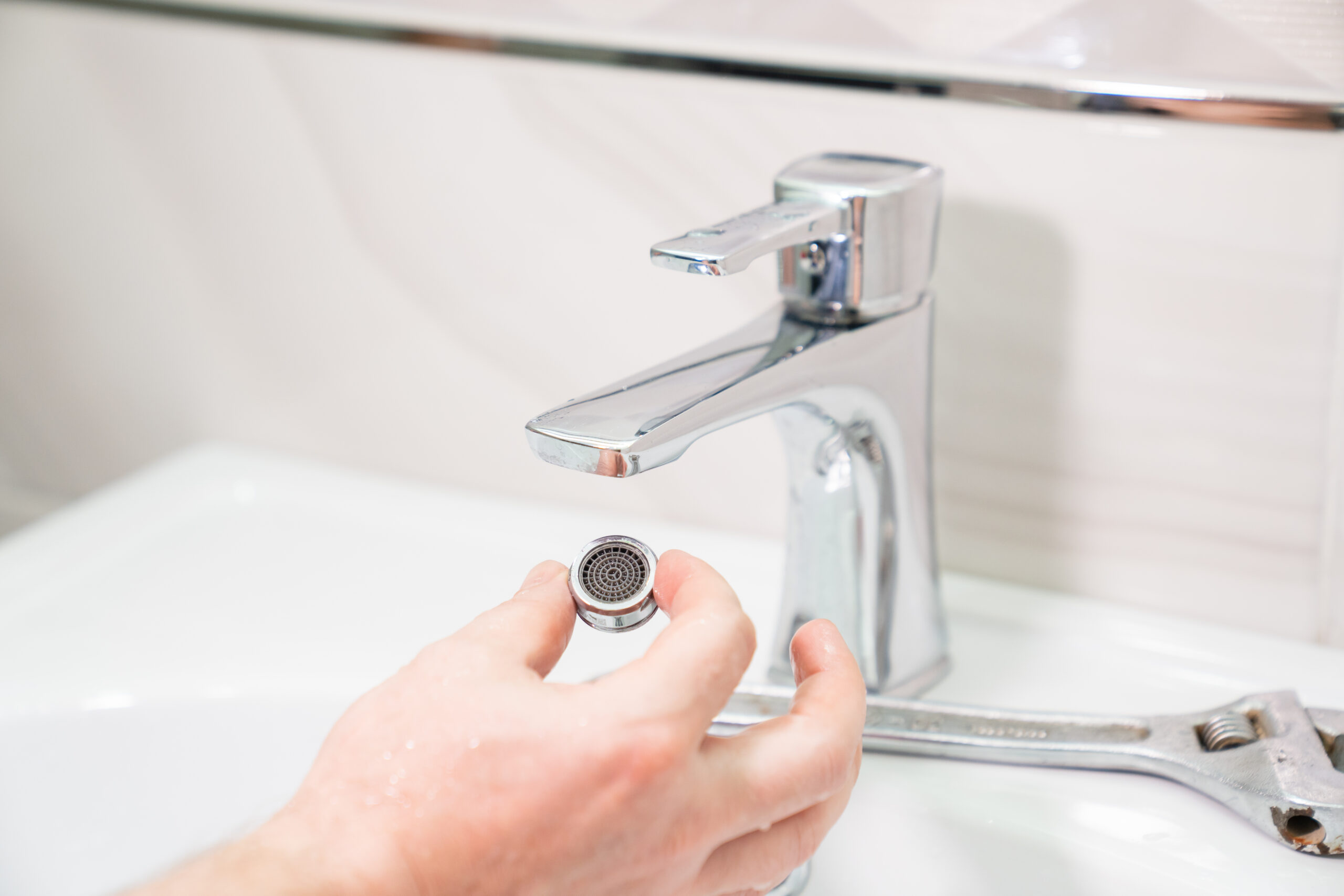
A faucet aerator is a small attachment at the tip of a faucet spout, but it can make a surprisingly big difference in comfort, water use, and even energy costs. If you have ever noticed a faucet that splashes, feels weak, or sends water in an uneven stream, the aerator is often the first place to look. The right aerator can smooth the flow, reduce splatter, and lower gallons per minute without making the faucet feel underpowered. For homeowners and property managers who want practical savings without major upgrades, faucet aerators are one of the simplest improvements you can make.
What a Faucet Aerator Does
A faucet aerator mixes air into the water stream and shapes the flow as it leaves the spout. Inside the aerator are small screens and flow control components that help regulate output. The result is a stream that feels steady and full while using less water.
Aerators are commonly used to accomplish four things.
- Reduce water consumption by limiting the flow rate.
- Improve comfort by softening the stream and reducing splash.
- Filter debris using internal screens that catch sediment.
- Create specific flow patterns, such as a clear laminar stream or a wider spray.
Because aerators influence how water leaves the faucet, they impact not only water usage but also day-to-day usability at the sink.
Benefits of Faucet Aerators: Water and Energy Savings
Most people think of aerators only as water-saving devices, but they also support energy savings, especially when you use hot water at sinks.
Lower water use without sacrificing function
A properly selected low-flow aerator can significantly reduce water use. Many older faucets run at higher flow rates than necessary. By choosing an aerator with an appropriate gallons-per-minute rating, you reduce water use during handwashing, toothbrushing, shaving, dish rinsing, and other common tasks.
Reduced hot water demand
When you reduce the flow at a bathroom sink or kitchen faucet, you also reduce the amount of hot water you draw from the water heater. That means less energy is needed to heat water over time. In homes with frequent sink use, this can provide measurable savings.
Improved user experience
Many aerators reduce splashing, which helps keep countertops cleaner and prevents water from pooling around the faucet base. Some also produce a more consistent stream, which can make rinsing and filling more predictable.
Protection from debris
The screens in an aerator can catch particles that might otherwise affect the flow at the spout. If you have older plumbing, seasonal water changes, or occasional sediment, that screen can be a helpful first line of defense. A clogged screen can also be a useful early warning sign of buildup or supply issues.
Step One: Identify Your Faucet Aerator Type
Before you choose a replacement, you need to know what style your faucet uses. Aerators generally fall into two broad categories: standard thread aerators and recessed aerators.
Standard thread aerators
These are the most common. You can usually see the aerator body at the end of the spout. Standard thread styles come in two main varieties.
- Male threaded aerator: threads are on the outside of the aerator, and it screws into the faucet spout.
- Female threaded aerator: threads are on the inside of the aerator, and it screws onto the outside of the faucet spout.
A quick visual check often tells you which one you have. If the spout end has external threads, you likely need a female aerator. If the spout end is smooth and the aerator screws into it, you likely need a male aerator.
Recessed or cache aerators
Many modern faucets use a recessed aerator that sits inside the spout and looks like a flush insert. This style is often called a cache aerator. It typically requires a small key tool for removal and installation. If you do not see a protruding aerator body, there is a good chance you have a clog aerator.
Cache aerators are common in contemporary bathroom faucets, public restrooms, and some kitchen faucets. They can be great for aesthetics and tamper resistance, but matching the correct size is essential.
Step Two: Measure Thread Size and Aerator Size
Getting the correct size is the difference between a five minute upgrade and a frustrating return trip. Faucet aerators come in several standard sizes. The most common sizes used in many homes include 15 16 inch, 55 64 inch, and 13 16 inch, though the exact size you need depends on faucet manufacturer and model.
If you still have the existing aerator, the easiest method is to remove it and bring it to a plumbing supply store for matching. If you prefer to measure at home, use one of these approaches.
- Measure the diameter of the aerator or spout threads with a ruler or caliper.
- Check the faucet documentation if available, especially for newer fixtures.
- Look for markings on the aerator body, since some include size information.
For cache aerators, size matching is especially important because there are multiple variants that look similar. If you have a cache aerator and cannot identify the size, a plumber can quickly match it and provide the correct key.
Step Three: Choose the Right Flow Rate for Each Sink
Flow rate is typically measured in gallons per minute. The right flow rate depends on the sink location, the tasks performed there, and your water pressure.
Common flow rate options
Bathroom sink aerators commonly range from 0.5 to 1.5 gallons per minute. Kitchen faucet aerators often range from 1.5 to 2.2 gallons per minute, though many households prefer lower options for efficiency if performance remains acceptable.
If water savings is your primary goal, a lower flow rate is usually better. If comfort and speed matter more, a moderate flow rate may be more appropriate. In many homes, a practical approach is to use lower flow in bathrooms and a slightly higher flow in kitchens.
Matching flow to real use
Consider how you use each sink.
- Bathroom sinks: hand washing, face washing, shaving, brushing teeth. These tasks typically work well with lower flow, as long as the stream is comfortable and does not take too long to rinse.
- Kitchen sinks: rinsing dishes, filling pots, washing produce. These tasks often benefit from a bit more flow, especially for filling containers.
For households looking to reduce utility costs, choosing a water-saving bathroom faucet aerator is a great starting point. For kitchens, focus on finding an aerator that still provides good rinsing performance while reducing waste.
What if your water pressure is low
If your home already has low water pressure at certain fixtures, a very low-flow aerator can make the faucet feel weaker than you want. In that case, you may prefer a slightly higher-flow-rate aerator or a pressure-compensating aerator designed to keep output consistent across a range of pressures.
If only one faucet has low pressure, the cause may be localized, such as a partially clogged aerator, a supply valve that is not fully open, or buildup in the faucet cartridge. Replacing or cleaning the aerator can help, but persistent low pressure may need professional diagnosis.
Step Four: Select the Best Spray Pattern
Aerators come with different flow patterns. The two most common are laminar flow and aerated spray style.
Aerated stream
This is the traditional aerator style that mixes air into the water stream. It produces a soft, white, non-transparent stream that reduces splash and feels full. It is often a good all-purpose choice for residential bathrooms and kitchens.
Laminar flow
Laminar aerators create a clear, glass like stream with less air mixed in. This can be helpful where you want reduced airborne droplets and a very clean stream profile. Laminar flow is often used in clinical settings and in some modern bathroom designs. It can also be useful if you notice a light mist around the sink, since it may reduce splatter related to aeration in some conditions.
Spray and swivel options
Some kitchen faucet aerators provide a wider spray pattern or a swivel feature that lets you angle the stream. These can improve rinsing and help direct water where you need it. If your sink is shallow or you struggle with splashing, a swivel aerator can help you control the stream direction more precisely.
Step Five: Consider Water Quality and Maintenance
Water quality affects how long an aerator performs well. Hard water can lead to mineral buildup, and sediment can clog screens.
If you have hard water, look for aerators that are easy to clean or have anti-scale features. Some designs allow quick disassembly for screen cleaning. In homes with frequent mineral buildup, routine cleaning can keep the flow steady and prevent the faucet from appearing to lose pressure.
A simple maintenance routine can help.
- Remove the aerator periodically.
- Rinse screens and remove debris.
- Soak mineral-coated parts in a mild descaling solution if needed, then rinse thoroughly.
- Reinstall and check for leaks or misalignment.
If your aerator repeatedly clogs, that may indicate sediment in the line, aging supply pipes, or an issue with the water heater. In those cases, a plumbing inspection can uncover the root cause.
Step Six: Look for Efficiency Ratings and Quality Materials
Not all aerators are built the same. Quality matters for consistent flow and long-term durability.
Efficiency and performance standards
Many homeowners prefer products that meet recognized efficiency criteria. Choosing a well-made aerator from a reputable brand can improve comfort while still delivering strong water savings.
Materials and construction
Plastic aerators can perform well, but higher-quality options often use durable components and tighter tolerances that maintain performance longer. Metal housings can be more robust, especially for kitchen fixtures that are used more frequently.
If you are outfitting a commercial property, durability and tamper resistance may be priorities, which often point toward recessed or cache aerator designs.
Troubleshooting: When an Aerator Is Not the Only Problem
Sometimes homeowners replace an aerator expecting a dramatic improvement, but the issue is actually elsewhere.
Consider a plumbing evaluation if you notice any of the following.
- Low pressure at multiple fixtures throughout the home.
- Strong cold water flow but weak hot water flow at several sinks.
- Discolored water or recurring sediment in screens.
- Leaks at the faucet base or under the sink.
- Rapid clogging even after cleaning.
These symptoms can point to supply line issues, valve problems, buildup in faucet cartridges, water heater sediment, or other system conditions that need professional attention.
Choosing Aerators Room by Room: Practical Recommendations
If you want a simple strategy, choose aerators based on how each sink is used.
Bathrooms
A water-saving bathroom faucet aerator is typically the best value. Many households can reduce flow substantially in bathrooms with little impact on comfort, especially if the aerator stream is well-formed and splash-free. If you want the cleanest stream profile, consider laminar flow for certain bathroom sinks.
Kitchen
For kitchen performance, prioritize a balance between efficiency and usability. A moderate flow aerator with a comfortable spray pattern often works best. If you regularly fill large pots at the kitchen sink, you may prefer a higher flow than you would in a bathroom, but still lower than that of older, unrestricted fixtures. A swivel aerator can also help reduce splashing and improve reach.
Utility sinks and laundry areas
Utility sinks are often used for filling buckets and cleaning, so a higher flow rate may be appropriate. If water savings are a priority, you can still choose an efficient aerator, but ensure it supports the tasks you perform in that space.
When to Call Power Plumbing Services
If you are unsure about aerator sizing, dealing with a recessed cache aerator, or experiencing persistent low pressure or recurring clogs, professional help can save time and prevent damage to fixtures. A licensed plumber can identify the correct aerator type, verify thread size, and check for underlying issues such as mineral buildup, partially closed shutoff valves, aging supply lines, or faucet cartridge wear.
Choosing the right faucet aerator is a small decision that can deliver long-term benefits. With the right flow rate, a proper fit, and a spray pattern that matches your daily routines, you can improve comfort at the sink while reducing water and energy use. If you would like help selecting and installing the best faucet aerators for your home or business, Power Plumbing Services can recommend options tailored to your fixtures and your water conditions.