
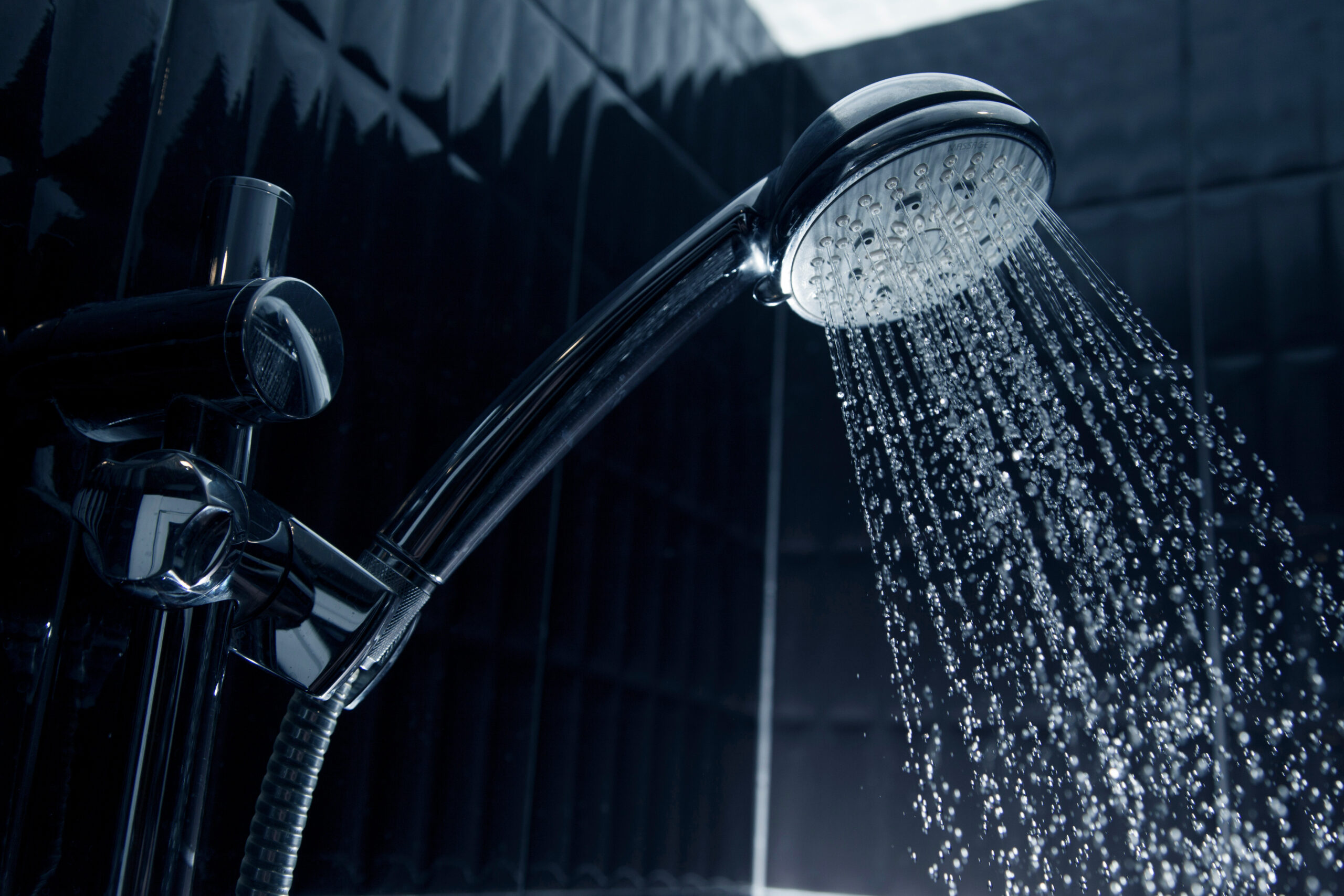
If your cold water seems fine but your hot water has an unpleasant odor, you are not imagining it. Heat changes how water behaves in three important ways.
First, warm water releases dissolved gases faster than cold water. Odor-causing gases that stay hidden in cold water can become obvious as soon as the water heats up.
Second, a water heater creates the perfect environment for certain chemical reactions and bacterial growth. The combination of stored water, warm temperatures, and metal components can produce odors that do not appear in the cold-water piping.
Third, hot water can pull more smell from plumbing deposits. Sediment, scale, and biofilm inside a tank or pipe can release stronger odors when warmed.
The good news is that most hot water odors have a clear cause and a reliable fix. The key is identifying what the smell is telling you.
What different hot water odors usually mean
Rotten egg or sulfur smell
This is the most common complaint and it typically points to hydrogen sulfide gas. Hydrogen sulfide can develop in a few ways.
One cause is sulfate reducing bacteria. These bacteria can live in a water heater tank, especially if the water sits for long periods or the heater temperature is set on the low side. They feed on naturally occurring sulfates in the water and produce hydrogen sulfide as a byproduct.
Another frequent cause is a reaction involving the anode rod. Most tank style water heaters contain a sacrificial anode rod, usually magnesium or aluminum, designed to corrode so the tank does not. In some water conditions, the anode rod can contribute to hydrogen sulfide production, either directly through chemical reaction or indirectly by supporting bacterial activity.
What it usually means: A water heater specific issue is likely, especially if the cold water does not smell.
Musty, earthy, or mold like smell
A musty odor often points to organic growth, usually biofilm. Biofilm is a slimy layer of microorganisms that can form on surfaces inside the heater tank, in faucet aerators, or in sections of piping with low flow.
Sometimes the smell is strongest at one faucet, which can indicate buildup in that fixture rather than the entire hot water system.
What it usually means: There is likely organic buildup somewhere in the hot water system, sometimes localized to the fixture.
Fishy smell
A fishy odor can be confusing, but it often relates to water chemistry interacting with the anode rod, or to decaying organic material in plumbing or a drain.
If the odor seems strongest near the sink and not necessarily in the water stream, the culprit might be the drain. Warm water can intensify odors rising from a drain trap with buildup.
If the smell is clearly in the hot water itself across multiple fixtures, the water heater and anode rod should be evaluated.
What it usually means: Either a drain issue near a specific fixture, or a water heater chemistry issue if it appears everywhere.
Metallic smell
Metallic odors can come from corrosion in plumbing, the water heater tank, or fixtures. Iron, copper, and manganese can contribute to metallic smells and tastes.
If the smell and taste occur in both hot and cold water, the issue may be in the incoming supply or the home’s plumbing. If it is limited to hot water, corrosion or sediment inside the heater is more likely.
What it usually means: Corrosion, sediment, or metal content, with the water heater often playing a role when only hot water is affected.
Chlorine or chemical smell
A chlorine smell can be normal in small amounts if your water is disinfected by the municipal supply. However, hot water can amplify the odor. In some cases, a strong chemical odor can indicate an excessive disinfectant level, a recent water main maintenance event, or an interaction with organic material in plumbing that creates noticeable byproducts.
What it usually means: Often related to municipal disinfection and how hot water releases the smell, but it can also suggest conditions that benefit from filtration or professional testing.
Sewage or swampy smell
If your hot water smells like sewage, it can still be hydrogen sulfide, but you should also consider a drain or venting problem. People sometimes interpret sulfur as sewage. If the smell is strongest around a sink or tub and not clearly in the water, the drain is the first place to inspect.
What it usually means: Possibly hydrogen sulfide in the water heater, or a drain and vent issue near a fixture.
A quick way to pinpoint the source
Before you treat the problem, confirm where the odor is coming from. These simple checks can prevent wasted time and unnecessary parts replacement.
- Compare hot versus cold at the same faucet. Fill two clean cups, one with cold water and one with hot water. Smell each cup after a minute. If only the hot water smells, focus on the water heater and hot side plumbing.
- Check multiple fixtures. If every hot faucet smells, the water heater is the most likely source. If only one faucet smells, check that faucet aerator and the drain.
- Notice when it happens. Odor that is worse first thing in the morning or after travel can indicate stagnant water and bacterial activity. Odor that appears after heavy hot water use can point to tank sediment being stirred up.
- Determine if it is a tank or tankless system. Tankless units can still have odor issues, but tank style heaters are more commonly involved because they store warm water for long periods.
When to call a plumber
Call a professional if any of the following are true.
- The rotten egg smell is strong and persistent across all hot water fixtures.
- Flushing does not improve the odor or the smell returns quickly.
- You notice discolored hot water, popping noises from the heater, reduced hot water capacity, or leaks.
- You are unsure whether the odor is from the water or from a drain and want a clear diagnosis.
A licensed plumber can safely disinfect the system, evaluate the anode rod and heater condition, confirm whether the issue is supply related, and recommend a permanent fix that matches your home and water source.
Power Plumbing Services can help eliminate hot water odors
Unpleasant hot water odor is more than an annoyance. It can signal bacteria, corrosion, sediment buildup, or water quality issues that may shorten the life of your water heater and affect daily comfort. Power Plumbing Services can diagnose the specific cause, explain what the odor indicates, and apply a long term solution, whether that involves flushing, disinfection, anode rod replacement, targeted repairs, or water treatment options.
If your hot water smells bad and you want it fixed for good, professional troubleshooting is the fastest way to move from guessing to a permanent result.